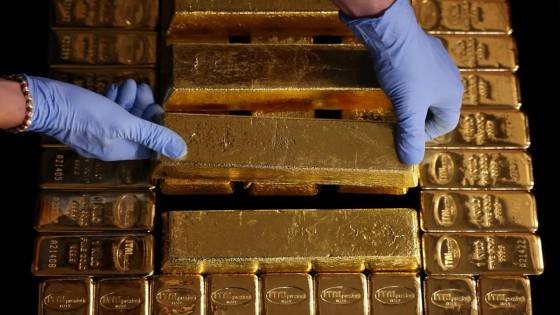
3 FORCES BEHIND CENTRAL BANKS’ GOLD BUYING SPREE THAT FEW INVESTORS ARE WATCHING
Global central banks have played a major role in pushing gold prices to unprecedented levels. The rally traces back to mid-October 2022, and gold has surged 164% since then, climbing from $1,646 to $4,346 per ounce over four years.
That was a time when the geopolitical landscape was shifting sharply. In 2022, Russia’s invasion of Ukraine, along with rising tensions involving Israel, China, and Taiwan, pushed central banks to build up their gold holdings.
The trigger could have been the US and its allies blocking approximately $300 billion of Russian foreign exchange assets, including gold, in 2023, raising concerns among governments.
Three Forces Behind the Buying Spree
So more than the price rise itself, at least three major developments are guiding central banks’ gold purchases, developments that mostly fly beneath the headline numbers.
First, there’s the consistent buying by central banks. Second, many nations are repatriating their gold reserves back home from vaults abroad, or at least away from the US. Third, gold reserves are now growing faster than holdings of government securities.
Why Central Banks Keep Buying
Holding gold as part of foreign exchange reserves isn’t new for central banks. In fact, according to the World Gold Council, they’ve purchased an average of 500 tonnes of gold a year in recent times.
But that pace picked up sharply from 2022 onward. After buying 1,082 tonnes in 2022 and 1,037 tonnes in 2023, central banks purchased a record 1,092 tonnes of gold in 2024. In 2025, purchases dropped to 863.3 tonnes. So far in the first half of 2026, central banks have added 345 tonnes to their reserves.
This steady, consistent buying over the past four years pushed gold prices to an all-time high of $5,602, touched on January 29. As of today, gold has fallen 22% from its peak but remains flat for the year, facing headwinds from potential interest rate hikes amid rising oil prices tied to the Iran conflict, which raises the risk of inflation climbing further.
On Friday, oil prices plunged nearly 2.5%, weighed down by positive developments on the US-Iran front, while gold prices rose sharply, up nearly 1.5%. However, as US CPI data came in sticky, with core inflation rising, the possibility of a rate hike has jumped to over 85%, keeping the upside for gold limited.
Even so, central banks aren’t slowing down. They continue to hold favourable expectations on gold, as revealed in the WGC’s 2026 survey. 89% of bankers expect an increase in global central bank gold reserves over the next year, while 45% expect their own reserves to rise during this period.
Bringing Gold Back Home From Vaults Abroad
Central banks aren’t just adding to their gold reserves; they’re also making sure it’s stored closer to home, or in safer zones. De Nederlandsche Bank (DNB) repatriated approximately 86 tonnes of its gold reserves, out of a total 612.4 tonnes, from the United States and Canada, where it held 313 tonnes, to London between March and August 2026.
London is recognized globally as a key hub for physical gold trading. According to DNB, this move is driven by rising geopolitical tensions. Earlier this year, France relocated its gold reserves from the US to France.
Back in 2024, even the RBI brought back approximately 200 metric tonnes of gold, with 100 tonnes remitted from the UK in May and another 102 tonnes in October. The RBI’s gold stock stood at 880.52 tonnes as of March 31, 2026.
Source: Govt websites, govt press releases
Gold Reserves Overtake US Treasuries
For the first time since 1996, central banks worldwide are holding more gold than US government bonds. Gold’s share of total official foreign exchange reserves reached 27% at the end of 2025, overtaking both the euro at 15% and US Treasuries at 22%. Put simply, gold is now the single largest component of global official reserves.
But these numbers deserve a closer look. They don’t necessarily signal de-dollarisation. The IMF’s Currency Composition of Official Foreign Exchange Reserves (COFER) data, published on July 1, 2026, shows that US dollar holdings in foreign exchange reserves actually rose to 57.13% in the first quarter of 2026, up from 56.42% in the fourth quarter of 2025.
That means gold’s overtaking of US Treasuries in 2025 was driven almost entirely by rising gold prices, not by central banks shifting money out of dollars. Still, in value terms, central banks now hold more gold than either US government bonds or euros in their foreign exchange reserves.
Source: IMF
The Bottom Line
Central banks are increasingly buying and repatriating gold, not solely to chase prices but to hedge against global uncertainties. This trend indicates a desire for local control, while the rising dollar’s share of reserves suggests not a retreat from the dollar, but rather a diversification strategy that may sustain gold’s momentum.
Disclaimer: This article is intended for informational purposes only and should not be construed as investment advice, financial guidance, or a recommendation to buy or sell any asset. Gold prices are subject to market volatility and may rise or fall without notice. It does not constitute investment advice.
2026-09-11T23:46:44Z